
Search Engine Optimization (SEO) is in a constant state of flux. The strategies that worked yesterday might be obsolete tomorrow, especially with the rapid rise of AI. Staying ahead of the curve is no longer just an advantage; it’s a necessity for survival. Use this strategic SEO checklist to future-proof your pages and build an unassailable competitive moat.
As we look toward 2026, the digital landscape will be shaped by more sophisticated search algorithms, AI-driven search experiences, and ever-higher user expectations.

This guide provides a comprehensive SEO checklist designed to navigate the complexities of 2026. Whether you’re a seasoned marketer or a small business owner, this checklist will serve as your roadmap to boosting organic traffic, improving rankings, and future-proofing your online presence.
We will cover everything from foundational setup and keyword research to advanced technical optimizations and the emerging field of AI SEO. By following these steps, you can build a resilient and effective SEO strategy that delivers lasting results.
1. Foundation & Setup
Before you can start ranking, you need to lay a solid foundation. These initial steps are crucial for tracking performance, diagnosing issues, and understanding how search engines see your website.
Set up Google Search Console & Google Analytics 4
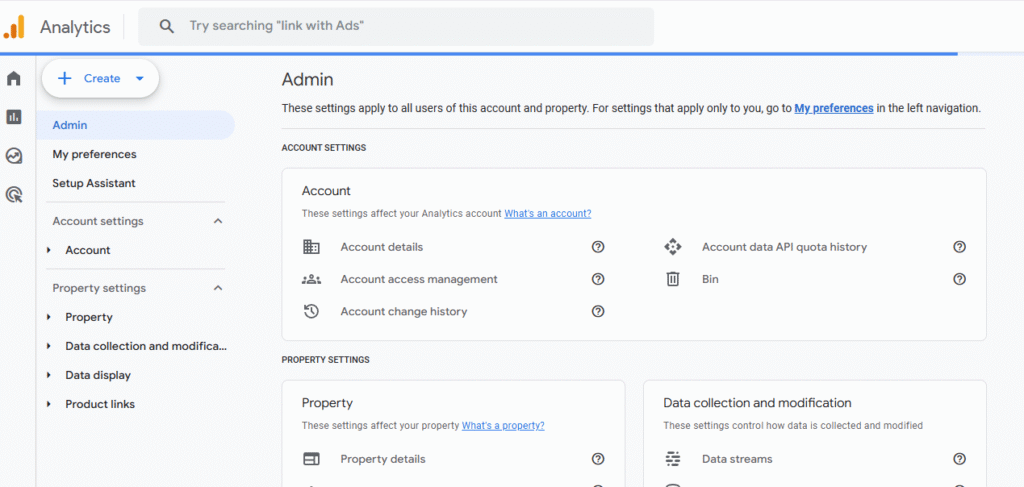
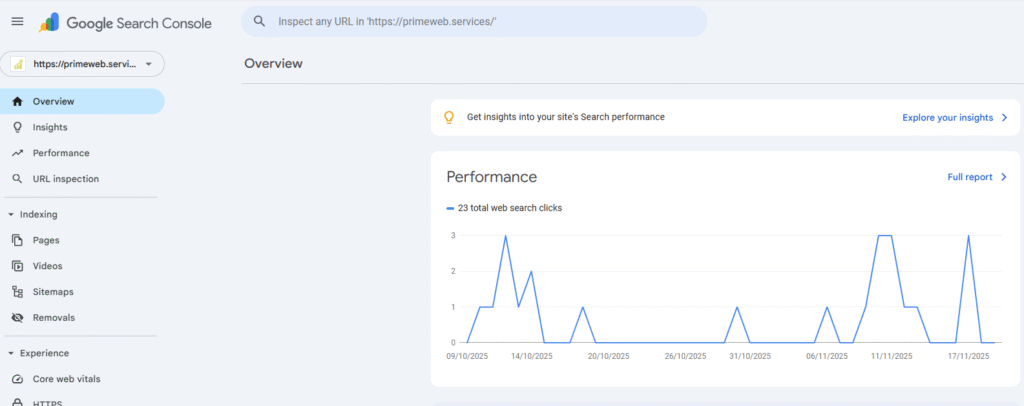
Your journey begins with Google’s essential free tools. Google Search Console (GSC) is your direct line of communication with Google. It helps you monitor your site’s performance in search results, identify technical errors, and understand which queries drive traffic. Google Analytics 4 (GA4) provides in-depth data about your website visitors, their behavior, and conversion tracking. Integrating these two platforms gives you a complete picture of your SEO performance, from clicks to conversions.
Install Bing Webmaster Tools
While Google dominates the search market, don’t overlook Bing. Bing Webmaster Tools offers a suite of features similar to GSC, providing valuable insights into your site’s performance on the Bing search engine. Setting it up is a quick process and expands your potential reach.
Configure an SEO Plugin

If you’re using a content management system like WordPress, an SEO plugin is non-negotiable. Tools like Yoast SEO or Rank Math simplify many on-page and technical SEO tasks. They help you optimize title tags, generate XML sitemaps, manage redirects, and implement schema markup without needing to write a single line of code.
Identify and Track Key KPIs
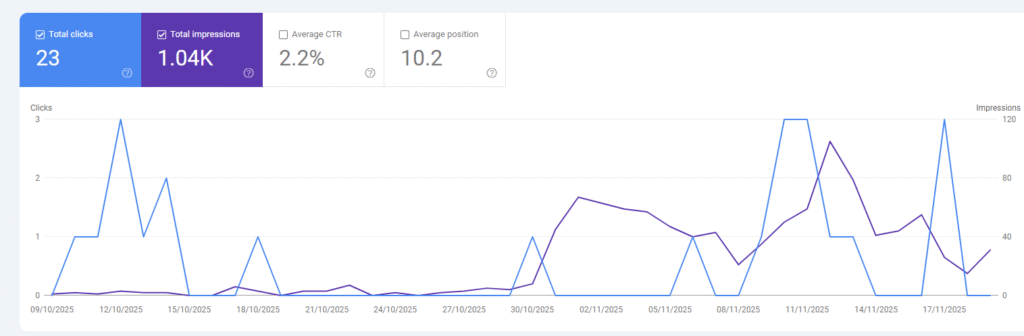
You can’t improve what you don’t measure. Establish your key performance indicators (KPIs) from the start. Core SEO KPIs include:
- Organic Traffic: The number of visitors arriving from search engines.
- Keyword Rankings: Your position in search results for target keywords.
- Backlinks: The number and quality of links pointing to your site.
- Conversion Rate: The percentage of visitors who complete a desired action (e.g., making a purchase, filling out a form).
Set Up Rank Tracking Software
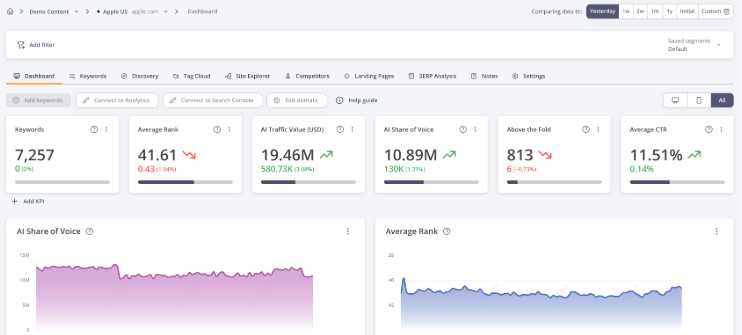
Manually checking your keyword rankings is inefficient and often inaccurate. Use a dedicated rank tracking tool to monitor your positions for target keywords over time. This helps you measure the impact of your SEO efforts and spot trends or issues quickly.
Secure a Free Semrush Account

Competitive analysis is a cornerstone of effective SEO. A free Semrush account allows you to get a high-level overview of your competitors’ strategies. You can see what keywords they rank for, where their backlinks come from, and estimate their organic traffic, giving you a valuable starting point for your own strategy.
2. Keyword Research
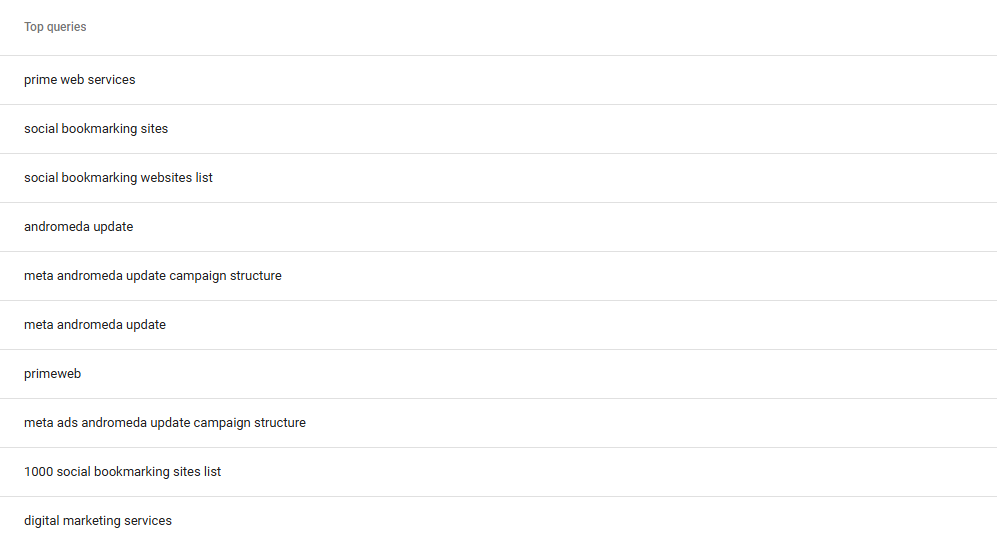
Keyword research is about understanding the language your audience uses and the intent behind their searches. In 2026, it’s about more than just finding high-volume terms; it’s about mapping keywords to the entire user journey.
Define Target Audience and Search Intent
Start by creating detailed personas of your ideal customers. What are their pain points? What questions are they asking? Understanding your audience allows you to grasp their search intent—the why behind their query. Are they looking for information, comparing options, or ready to buy? Aligning your content with their intent is critical.
Use Google Suggest for Long-Tail Keywords
Google itself is a powerful keyword research tool. Start typing a seed keyword into the search bar and see what autocompletes. These suggestions, along with the “People Also Ask” and “Related Searches” sections, are a goldmine for long-tail keywords—longer, more specific phrases that often have lower competition and higher conversion rates.
Leverage Keyword Research Tools
Dedicated tools like Semrush and AnswerThePublic provide invaluable data. They can generate thousands of keyword ideas, show you search volume, and estimate how difficult it will be to rank for a term. Use these tools to build a comprehensive list of primary and secondary keywords.
Mine Online Communities
Your target audience is already talking about their problems and needs on platforms like Reddit and Quora. Search these communities for your core topics to discover the exact language and questions people are using. These “question keywords” are perfect for creating highly relevant blog posts and FAQ sections.
Identify Low-Competition Keywords
Ranking for highly competitive keywords can take years. Use the Keyword Difficulty (KD) score in tools like Semrush to identify terms that are easier to rank for. Targeting low-competition keywords allows you to gain traction and build authority more quickly.
Conduct Topical Authority Analysis
Search engines favor websites that demonstrate deep expertise on a particular subject. Instead of targeting disconnected keywords, group them into topic clusters. A topical authority analysis involves identifying the main pillars of your niche and all the related subtopics. Creating comprehensive content around these clusters signals to Google that you are an authority in that space.
3. On-Page SEO
On-page SEO involves optimizing the individual pages of your website to rank higher and earn more relevant traffic. A powerful on-page SEO strategy for 2026 hinges on creating the best and most relevant answer for a user’s query.
- Include primary keyword in the URL slug: Your URL is one of the first things search engines see. Make it clean and keyword-rich.
- Keep URLs short and descriptive: A concise URL like
example.com/on-page-seo-guideis better thanexample.com/p=123. - Front-load your keyword in the title tag: Place your primary keyword as close to the beginning of your title tag as possible. This gives it more weight.
- Add title modifiers: Words like “Best,” “Guide,” “Checklist,” and “2026” can increase click-through rates and capture more specific searches.
- Use the keyword within the first 150 words: Mention your main keyword early in your introduction to confirm the page’s topic for both users and search engines.
- Include the keyword in H1, H2, or H3 headers: Use your primary keyword and its variations in your headings to structure your content and signal its main topics.
- Optimize images with descriptive filenames and alt text: Name your image files descriptively (e.g.,
on-page-seo-checklist.jpg) and write alt text that describes the image and includes relevant keywords. This helps with image SEO and accessibility. - Use synonyms and LSI keywords naturally: Weave in semantically related terms and synonyms throughout your text. This helps search engines understand the context and depth of your content, building topical relevance.
- Add relevant internal links: Link to other relevant pages on your site using keyword-rich anchor text. This helps distribute page authority and guides users to more useful content.
- Include authoritative external links: Linking out to reputable, relevant sources can increase the credibility and trustworthiness of your content.
4. Content Optimization
Content remains king, but the standards for royalty are higher than ever. In 2026, your content must be expertly crafted, user-focused, and provide exceptional value.
- Break content into scannable chunks: No one wants to read a wall of text. Use short paragraphs, headings, subheadings, bullet points, and bold text to make your content easy to scan.
- Focus on trending content formats: While blog posts are still valuable, consider incorporating other formats like video, interactive tools, and in-depth case studies to engage your audience.
- Ensure “information gain”: Your content must offer something new and valuable that isn’t found in the top-ranking results. This could be unique data, a fresh perspective, or more comprehensive instructions.
- Incorporate multimedia: Use images, charts, infographics, and embedded videos to break up text, illustrate points, and make your content more engaging.
- Create comprehensive, evergreen content: Aim to create cornerstone content that covers a topic in its entirety and will remain relevant for years to come. These long-form guides attract links and establish authority.
5. Technical SEO
Technical SEO ensures that search engines can find, crawl, and index your website without any issues. A technically sound website is the foundation upon which all other SEO efforts are built.
- Identify and fix crawl errors in Google Search Console: Regularly check the “Coverage” report in GSC for errors that might prevent Google from indexing your pages.
- Use the URL Inspection tool: This tool in GSC allows you to see how Google views a specific URL, helping you troubleshoot indexing issues.
- Ensure mobile-friendly design: With the majority of searches happening on mobile, a responsive design that works flawlessly on all devices is mandatory.
- Find and fix broken links: Broken internal and external links create a poor user experience and waste link equity. Use a tool to periodically crawl your site and fix them.
- Implement HTTPS sitewide: HTTPS encrypts data between a user’s browser and your server, providing security and trust. It’s a confirmed, albeit small, ranking factor.
- Optimize Core Web Vitals (LCP, INP, CLS): These metrics measure user experience, focusing on loading speed (Largest Contentful Paint), interactivity (Interaction to Next Paint), and visual stability (Cumulative Layout Shift). Use Google’s PageSpeed Insights to test and improve your scores.
- Add schema markup: Schema is structured data that helps search engines understand your content better. It can enable rich snippets in search results (like star ratings or FAQs), which can significantly boost your click-through rate.
6. Link Building
Backlinks remain one of the most powerful ranking signals. Building a high-quality, relevant backlink profile is essential for competing in 2026.
- Contribute expert quotes to media outlets: Services like HARO (Help a Reporter Out) connect you with journalists looking for expert sources. Providing a valuable quote often results in a high-authority backlink.
- Create linkable assets: Original research, free tools, and comprehensive guides are “linkable assets” that naturally attract backlinks because they provide immense value.
- Analyze competitor backlinks: Use a tool like Semrush to see who is linking to your competitors. This can reveal link-building opportunities you can pursue.
- Secure podcast guest appearances: Appearing as a guest on relevant podcasts can introduce your brand to a new audience and typically earns you a backlink from the episode’s show notes.
- Conduct influencer outreach: Build genuine relationships with influencers and thought leaders in your niche. If they find your content valuable, they may share it with their audience or link to it.
7. AI SEO (2026 Focus)
The rise of Large Language Models (LLMs) like ChatGPT and Google’s Gemini is reshaping search. Optimizing for AI-driven search experiences will be a critical component of SEO in 2026.
- Identify which AI tools your audience uses: Understand where your audience is turning for answers—whether it’s ChatGPT, Perplexity, or another AI tool.
- Document real-user prompts for AI optimization: Research the types of prompts and questions users are feeding into LLMs to understand their needs and tailor your content to provide direct, AI-friendly answers.
- Benchmark brand visibility across LLMs: Monitor how often your brand and content are mentioned or cited in the responses of major AI models for queries relevant to your niche.
- Analyze which sources AI tools cite: Identify the websites that LLMs frequently use as sources in your industry. Analyze their content structure and aim to become a preferred source yourself.
- Create AI-friendly answer hubs: Develop content that is highly scannable, well-structured, and provides direct answers to common questions. Use clear headings and factual language.
- Implement AI crawling rules (e.g., meta tags): As standards emerge, use specific meta tags or directives to control how AI crawlers can use your content for training purposes, ensuring your intellectual property is respected.
- Monitor brand sentiment in AI responses: Track how your brand is portrayed in AI-generated summaries and answers to ensure the information is accurate and positive.
8. Advanced Optimization & Maintenance
SEO is not a set-it-and-forget-it activity. Continuous optimization and maintenance are required to sustain and grow your results.
Advanced Optimization
- Optimize for user experience signals: Metrics like click-through rate (CTR) and dwell time (how long a user stays on your page) signal to Google that users find your content valuable. Compelling titles and engaging content are key.
- Remove low-quality “dead weight” pages: Pages with thin content and low traffic can drag down your site’s overall quality score. Identify and either improve or remove them.
- Update and republish outdated content: Find high-potential content that is starting to age. Update it with new information, fresh data, and better visuals, then republish it to give it a new lease on life.
Monthly Maintenance
- Review Google Search Console for errors.
- Analyze keyword ranking movements.
- Conduct a technical SEO spot-check.
- Build 5-10 new quality backlinks.
- Update 2-3 existing pieces of content.
- Monitor AI visibility and citations.
Your Blueprint for SEO Success
The world of SEO is undeniably complex and always moving. However, the core principles of providing value, demonstrating expertise, and ensuring a seamless user experience remain constant. This 2026 checklist provides a strategic framework to guide your efforts, from laying a solid technical foundation to embracing the new frontier of AI-driven search.
Don’t let the scope of this list overwhelm you. Start with the foundational elements and work your way through methodically. By consistently applying these best practices, you won’t just be chasing algorithms; you’ll be building a powerful, sustainable marketing asset that drives growth for years to come. The future of search is here, it’s time to start optimizing for it.