
In the era of viral TikTok “gurus” and overnight millionaires, a pressing question dominates search bars: is digital marketing legit? If you have spent more than five minutes on social media, you have likely seen an ad promising that you can earn $10,000 a month with just two hours of work. It sounds too good to be true, and frankly, in many cases, it is.
However, labeling the entire $600+ billion industry as a scam is like saying the internet itself isn’t real. To understand the truth, we must distinguish between the legitimate profession of digital marketing and the predatory “schemes” often sold under its name.
What Exactly is Digital Marketing?

Before we dive into the skeptics’ concerns, let’s define the field. Digital marketing is the practice of promoting products or services using digital channels. This includes:
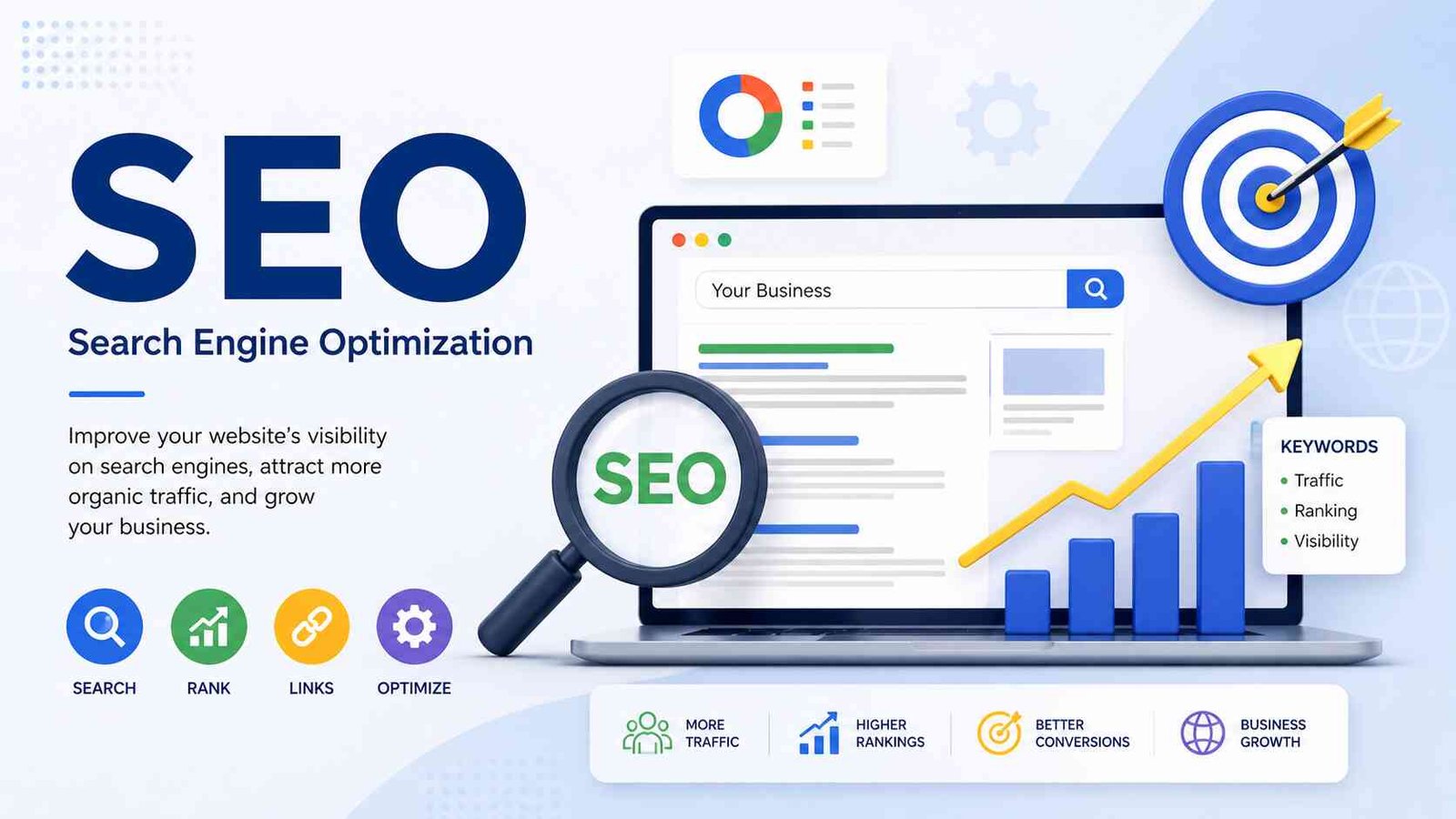
- Search Engine Optimization (SEO): Helping websites rank on Google.
- Pay-Per-Click (PPC): Running paid advertisements on platforms like Google or Meta.
- Social Media Marketing: Building brand presence on Instagram, LinkedIn, and TikTok.
- Content Marketing: Creating valuable blogs, videos, and emails to attract customers.
Every major corporation, from Nike to Amazon, employs digital marketers. In this professional context, digital marketing is 100% legit and serves as the backbone of modern commerce.
Why Do People Think It’s a Scam?
The reason people ask “is digital marketing legit” usually stems from a specific subculture known as MRR (Master Resell Rights) or “faceless” digital marketing.
- The “Course About Selling Courses” Loop: The most common red flag occurs when someone sells you a $500 course on how to sell that same $500 course to others. This closely resembles a multi-level marketing (MLM) structure. While not always illegal, it often lacks actual substance or transferable skills.
- Unrealistic Income Guarantees: Legitimate digital marketing is a skill that takes months or years to master. Any “expert” promising a guaranteed income within 30 days is likely misleading you. High-paying roles in SEO or Data Analytics require rigorous training, not a “secret hack.”
- The “Get-Rich-Quick” Narrative: Because digital marketing allows for remote work and automation, scammers exploit these benefits to sell a “laptop lifestyle” fantasy. This gives the professional industry a bad reputation among serious business owners and job seekers.
The Reality: Digital Marketing as a High-Growth Career

If we look past the social media noise, the data tells a different story. According to recent industry reports, the demand for skilled digital marketers is reaching record highs.
Career Statistics for 2025
| Metric | Industry Data |
| Market Value | Expected to hit $1.5 Trillion by 2035 |
| Average Salary (Mid-Level) | $75,000 – $110,000 per year |
| Remote Work Availability | High (Over 60% of roles) |
| Top Skill in Demand | AI-driven content strategy and Data Analysis |
When you treat it as a trade—much like plumbing or coding—you realize that digital marketing is a legitimate path to financial stability.
How to Spot a Digital Marketing Scam vs. a Real Opportunity
To protect yourself, you need to know the hallmarks of a genuine opportunity. Whether you are looking for a course or a job, use this checklist to verify legitimacy.
Red Flags (Stay Away!)
- No specific skills taught: If the pitch focuses on “wealth” rather than SEO, PPC, or Email Marketing.
- High-pressure sales: “Only 2 spots left!” or “Price goes up in 10 minutes!”
- Anonymous “Gurus”: No LinkedIn profile or verifiable history in a corporate or agency setting.
Green Flags (It’s Legit)
- Focus on ROI: The training focuses on how to generate revenue for clients, not just yourself.
- Industry Certifications: They reference recognized certifications from Google, HubSpot, or Meta.
- Realistic Timelines: They admit that building a career takes time and effort.
4 Legitimate Ways to Make Money in Digital Marketing
If you want to enter the field the right way, focus on these four pillars. These roles are essential to businesses and offer “legit” longevity.
- Search Engine Optimisation (SEO): SEO involves optimising a website so it ranks higher in search results. Companies pay thousands of dollars a month for this because organic traffic is incredibly valuable. To start, you can take free courses from Google Skillshop or Semrush Academy.
- Performance Marketing (Ads): This is the art of spending $1 on ads to make $3 in sales. If you can master Google Ads or Meta Ads, you will never be out of work. This is a technical, data-driven role that is highly respected in the business world.
- Social Media Management: This isn’t just “posting on Instagram.” It involves community management, trend analysis, and social listening. Legitimate brands need experts to maintain their public image and engage with customers.
- Freelance Content Strategy: With the rise of AI, businesses need humans who can strategize and edit high-quality content that actually converts. Writing is only 20% of the job; the rest is strategy and distribution.
Is Digital Marketing Worth It in 2025?
You might wonder if the industry is oversaturated. While there are many “beginners,” there is a massive shortage of high-level strategists.
As Google’s algorithms become more complex and AI changes how we search, businesses are more desperate than ever for experts who understand the “human” side of marketing. Furthermore, the ability to analyze data and predict consumer behavior is a skill that will remain “future-proof” even as technology evolves.
Expert Insight: “Digital marketing is the only profession where you can directly measure your value to a company. If you generate $100k in sales, your job is always secure.”
Frequently Asked Questions (FAQ)
Is digital marketing a pyramid scheme?
No, the industry itself is not a pyramid scheme. However, certain “Master Resell Rights” (MRR) programs operate in a way that mimics those structures. Real digital marketing is about providing a service (like SEO or Ads) to a business in exchange for a fee.
Do I need a degree to start?
No. While a marketing degree can help, most employers care more about your portfolio and results. Certifications from Google or HubSpot are often more relevant than a four-year degree in this fast-paced field.
How much can a beginner realistically earn?
A junior digital marketer or intern typically earns between $40,000 and $55,000 annually. Freelancers can earn more, but it usually takes 6–12 months to build a stable client base.
Conclusion: The Verdict
So, is digital marketing legit? Yes, absolutely. It is a vital, multi-billion dollar industry that powers the global economy. However, the “get-rich-quick” version sold on social media is often a hollow shell designed to take your money.
To succeed, ignore the “hacks” and focus on the skills. Learn how to drive traffic, build brands, and analyze data. When you provide real value to businesses, the income will follow naturally.